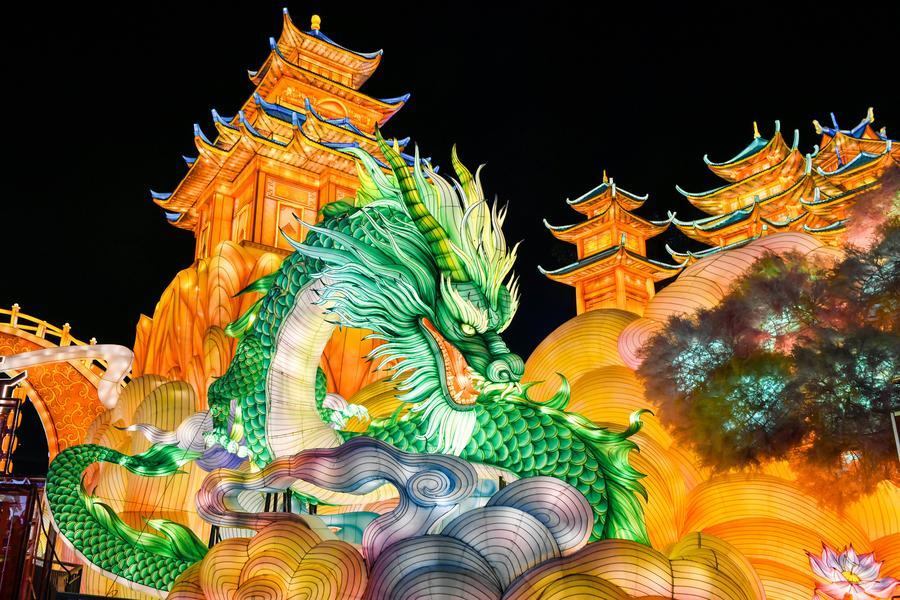
Zigong Lanterns
Introduction
Zigong lanterns, originating from Zigong city in Sichuan province, China, represent a unique and vibrant tradition of lantern-making that has evolved over centuries. Known as the "City of Lanterns," Zigong has become synonymous with intricate craftsmanship, innovative designs, and grand lantern festivals that captivate audiences worldwide. The Zigong Lantern Fair, recognized as a national-level intangible cultural heritage, showcases the city's rich cultural heritage and artistic ingenuity. With lantern designs inspired by traditional Chinese culture, mythology, and modern themes, Zigong lanterns have illuminated celebrations across the globe, becoming a symbol of cultural exchange and artistic excellence.
History
The history of Zigong lanterns dates back to the Tang Dynasty (618-907), when locals lit oil candles during the Lantern Festival to pray for health and prosperity. Over time, simple oil candles evolved into elaborate lantern designs, incorporating bamboo shoots, silk, and various materials to create dazzling displays of light and color. The tradition flourished during the Song Dynasty (960-1279) and reached new heights during the Qing Dynasty (1644-1911), as Zigong became a hub for salt production and trade. Wealthy merchants sponsored impressive lanterns to showcase their prosperity and entertain workers.
In 1964, Zigong held its first official lantern show celebrating the Spring Festival, marking the beginning of its modern lantern-making industry. The event was renamed the Zigong International Dinosaur Lantern Festival and Trade Fair in 1987, coinciding with the opening of the Zigong Dinosaur Museum. This transformation not only promoted Zigong lanterns nationwide but also paved the way for their global recognition. Since their international debut in Singapore in 1990, Zigong lanterns have been displayed in over 80 countries and regions, attracting millions of visitors and solidifying their status as a cultural and artistic phenomenon.
Design and Craftsmanship
Materials Used
Zigong lanterns are renowned for their diverse use of materials, which contribute to their intricate designs and vibrant displays. Traditional materials such as silk, bamboo, and paper are commonly used to create the lanterns' delicate coverings and structures. Artisans also incorporate unconventional materials, including straw, cocoon, porcelain, and fiberglass, to add unique textures and effects. In recent years, modern technologies and environmentally friendly practices have influenced material choices, with discarded water bottles, tires, and plastics being repurposed to craft lanterns. These innovative approaches not only enhance the aesthetic appeal of Zigong lanterns but also reflect a commitment to sustainability.
Techniques and Innovations
The craftsmanship behind Zigong lanterns involves a meticulous process that combines traditional techniques with modern innovations. Artisans begin by brainstorming and creating two-dimensional drafts, which are then transformed into three-dimensional construction drawings. Skilled welders craft the lantern frames using iron wire, ensuring precision and durability. Electricians bind pliable light tubes to the frames, while artisans meticulously cut and glue fabric coverings to achieve the desired effects. Details are painted and airbrushed to bring the lanterns to life.
Modern technologies such as 3D printing, artificial intelligence, holographic projection, and laser water-screen film have revolutionized the lantern-making process, enabling more vivid and elegant designs. Zigong artisans have also adopted techniques from other regions, such as using thin bamboo strips for frames, which are now replaced with iron wire for longevity. These advancements have allowed Zigong lanterns to maintain their traditional charm while embracing contemporary aesthetics and functionality.
Cultural Significance
Zigong lanterns hold profound cultural significance, serving as a beacon of Chinese heritage and artistic expression. The annual Zigong Lantern Fair, celebrated during the Spring Festival and Lantern Festival, attracts visitors from across China and the world, fostering cultural exchange and appreciation. Lantern designs often depict stories and characters from fairy tales, classic literature, folk customs, and mythology, reflecting the richness of Chinese culture.
Lanterns symbolize reunion and joy, lighting up the night and illuminating hearts longing for home. They are integral to celebrations such as the Mid-Autumn Festival and Lantern Festival, embodying themes of family, prosperity, and harmony. Zigong lanterns have also become a driving force for the local economy, employing thousands of artisans and generating significant revenue. Their global popularity highlights the universal appeal of Chinese culture and the artistry of Zigong craftsmen.
Global Promotion
Zigong lanterns have achieved international acclaim, showcasing Chinese culture and craftsmanship on a global stage. Since their debut in Singapore in 1990, Zigong lanterns have been displayed in over 500 cities across 80 countries and regions, including the United States, France, the United Kingdom, and Colombia. These exhibitions have attracted millions of visitors, offering a glimpse into the beauty of Chinese traditions and the ingenuity of Zigong artisans.
The integration of modern technologies and innovative designs has further enhanced the global appeal of Zigong lanterns. Collaborations with international festivals, such as the Lyon Festival of Lights in France, have fostered cultural exchange and artistic enhancement. Zigong's thriving lantern industry, supported by local government initiatives and educational institutions, continues to expand its reach, bringing the magic of Zigong lanterns to audiences worldwide.
Through their dazzling displays and cultural significance, Zigong lanterns have become a symbol of artistic excellence and a testament to the enduring legacy of Chinese craftsmanship.








